
If you find yourself near Shenandoah National Park and the Blue Ridge Parkway, make time to walk the historic Blue Ridge Tunnel.
With entrances in Waynesboro from the West and Afton in the East, this spectacular monument to the hard work and chutzpah of Irish immigrants who constructed it in the 1850’s, is the longest railroad tunnel in North America.
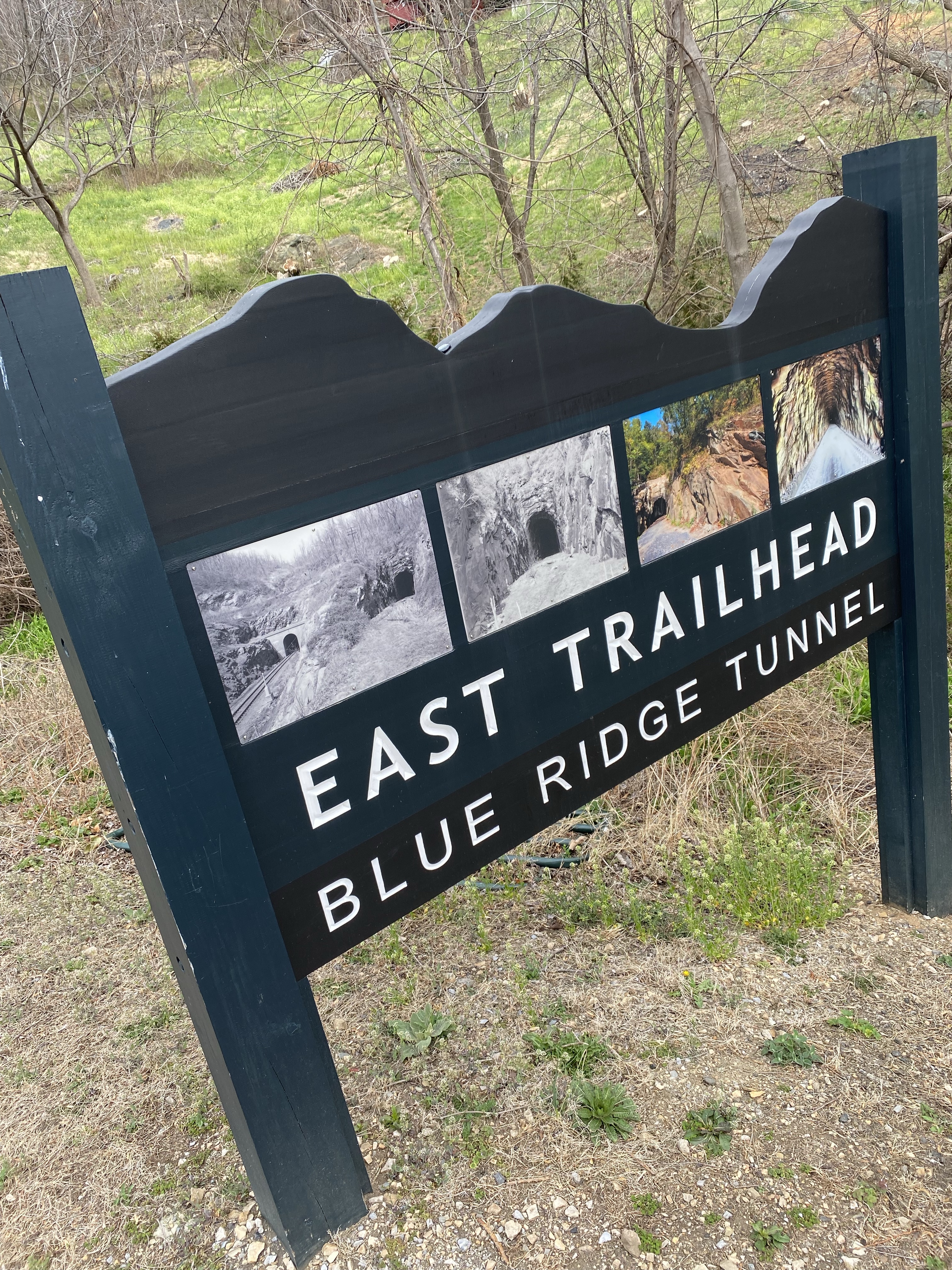
We took the easier route – from the Afton side. There is a generous-sized parking lot, and the path into the tunnel is wide, level and graveled. Active railroad tracks are on the left side as you walk in, protected by a tall wire fence. If you approach it from the Waynesboro side, you’ll hit hilly trails leading to the tunnel, so keep that in mind if you’re not up to the extra challenge.

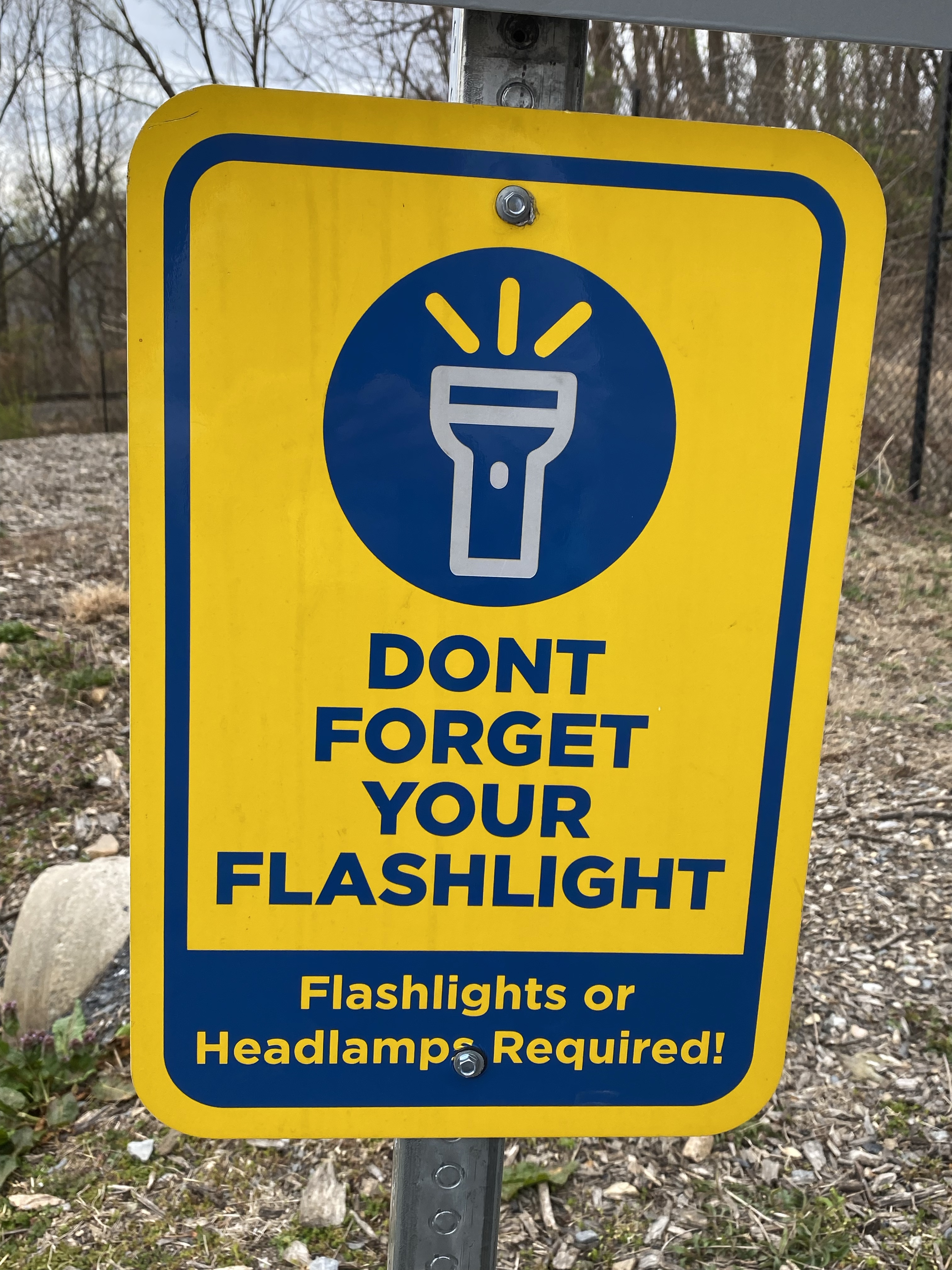
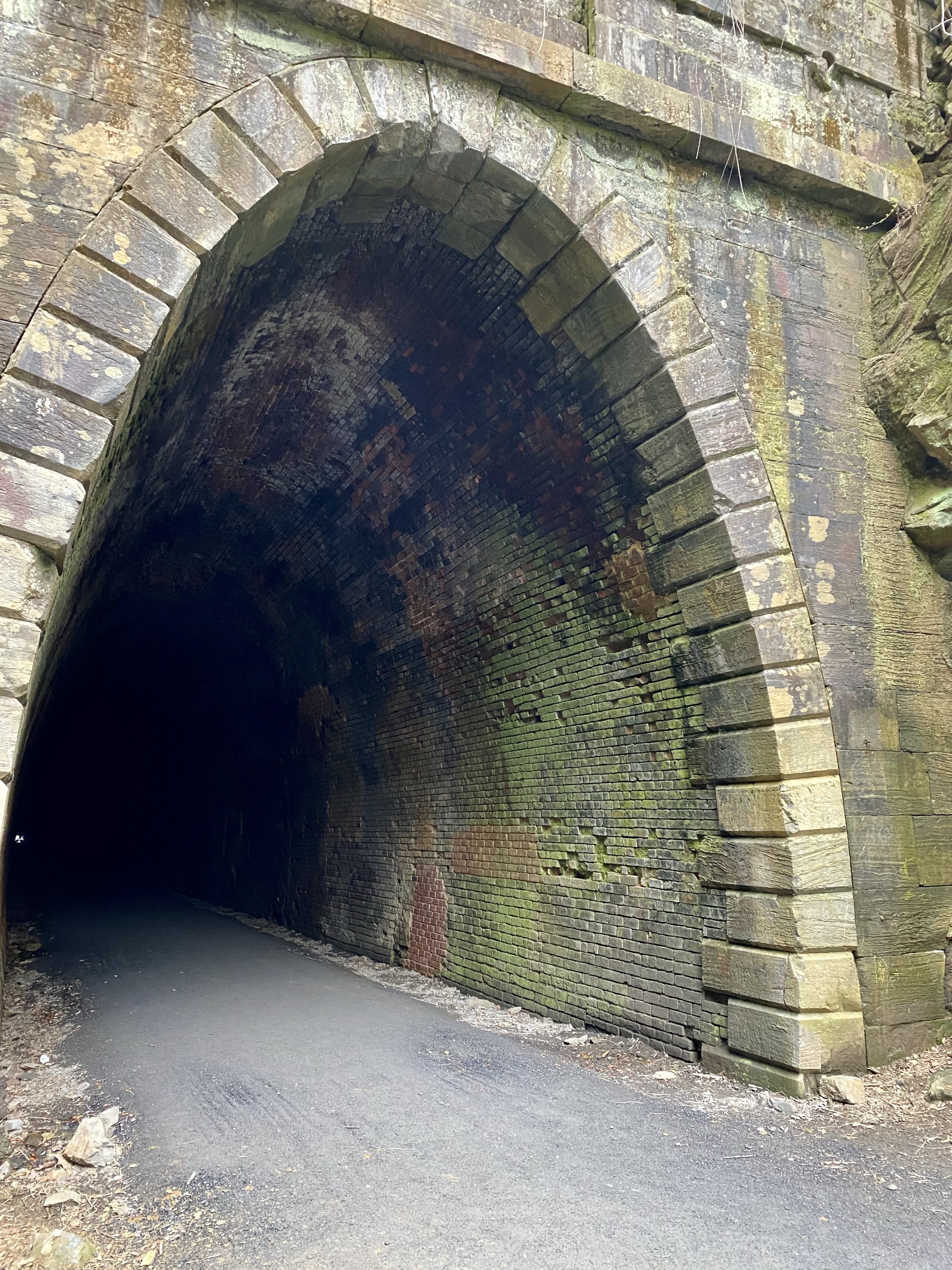
Constructed under Rockfish Gap in the Blue Ridge Mountains between 1850- 1858, the railroad tunnel was designed by French immigrant Claudius Crozet (hence the name of a nearby town). The 4,273 foot-long tunnel is 700 feet below ground at its deepest. Walking through it with the aid of a decent flashlight brought to mind the many spooky caverns I’d visited last year such as the Caverns at Natural Bridge.
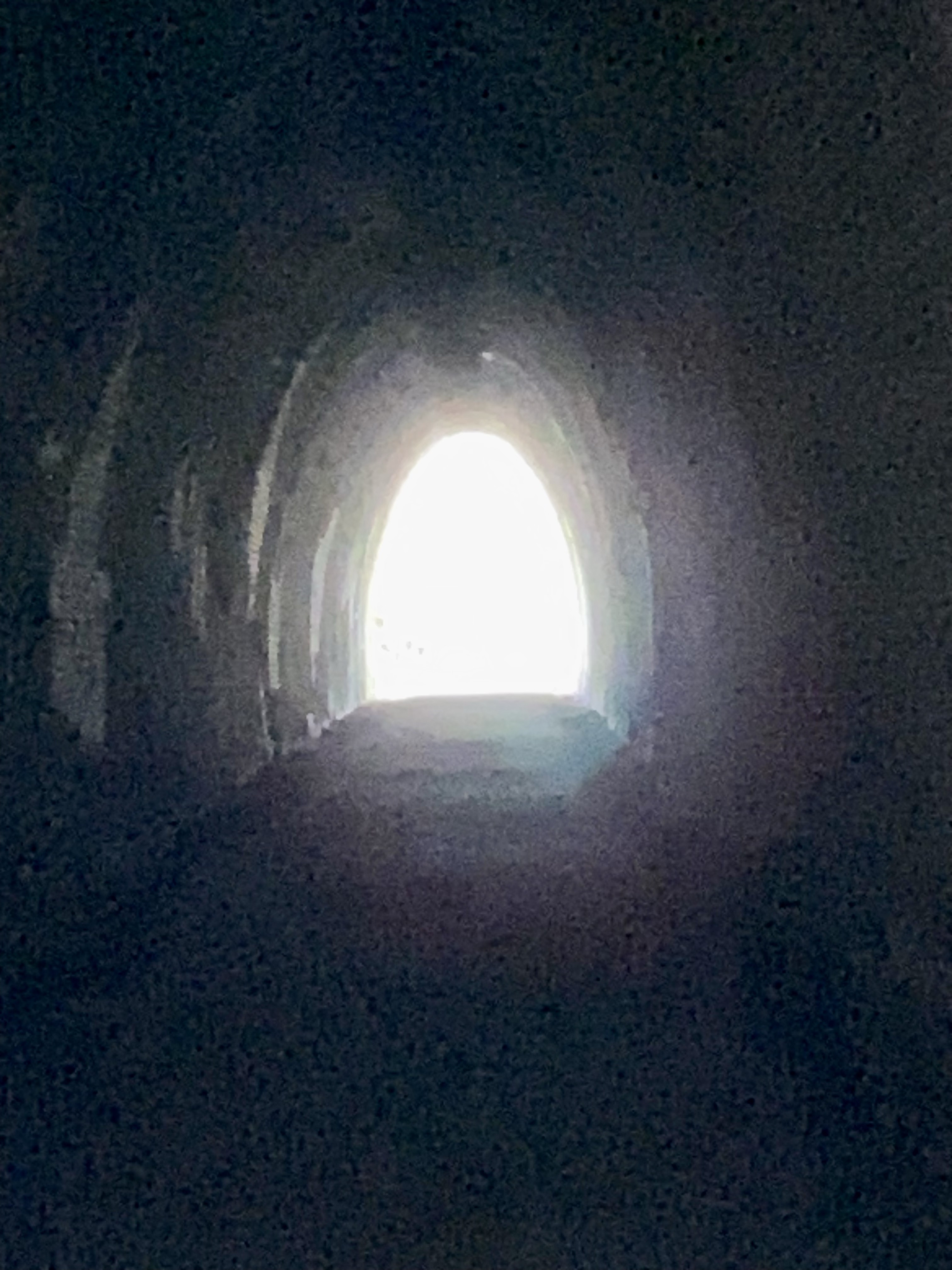
Aided by a trusty flashlight, the tunnel is eerie, and since it is a flat walk with no real elevation once you are underground, the elliptically-shaped tunnel exit glowing like a desert mirage, appears to be right within reach. Water cascades down the brick and concrete walls in places, spilling into culverts along the sides of the tunnel path.
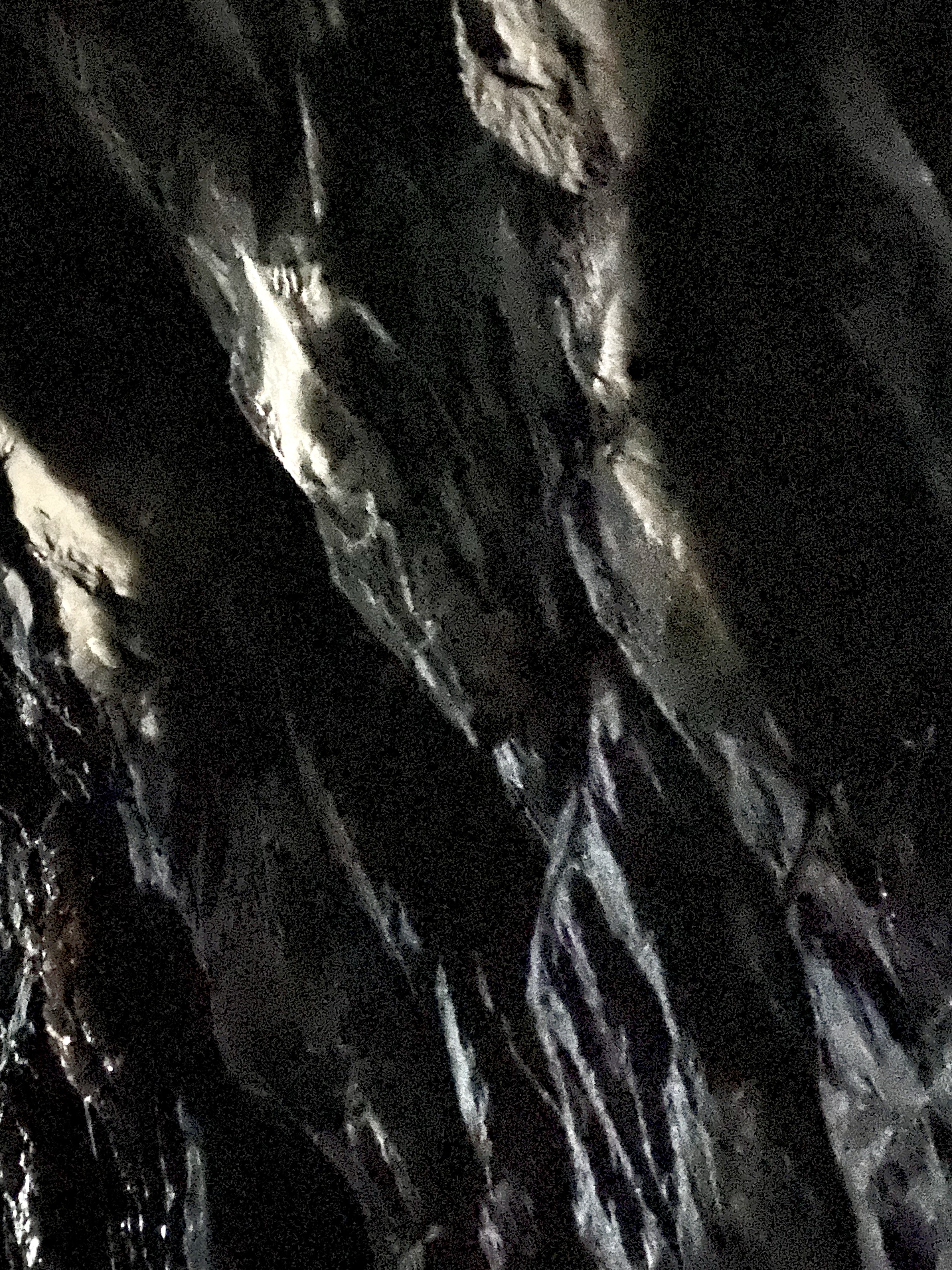

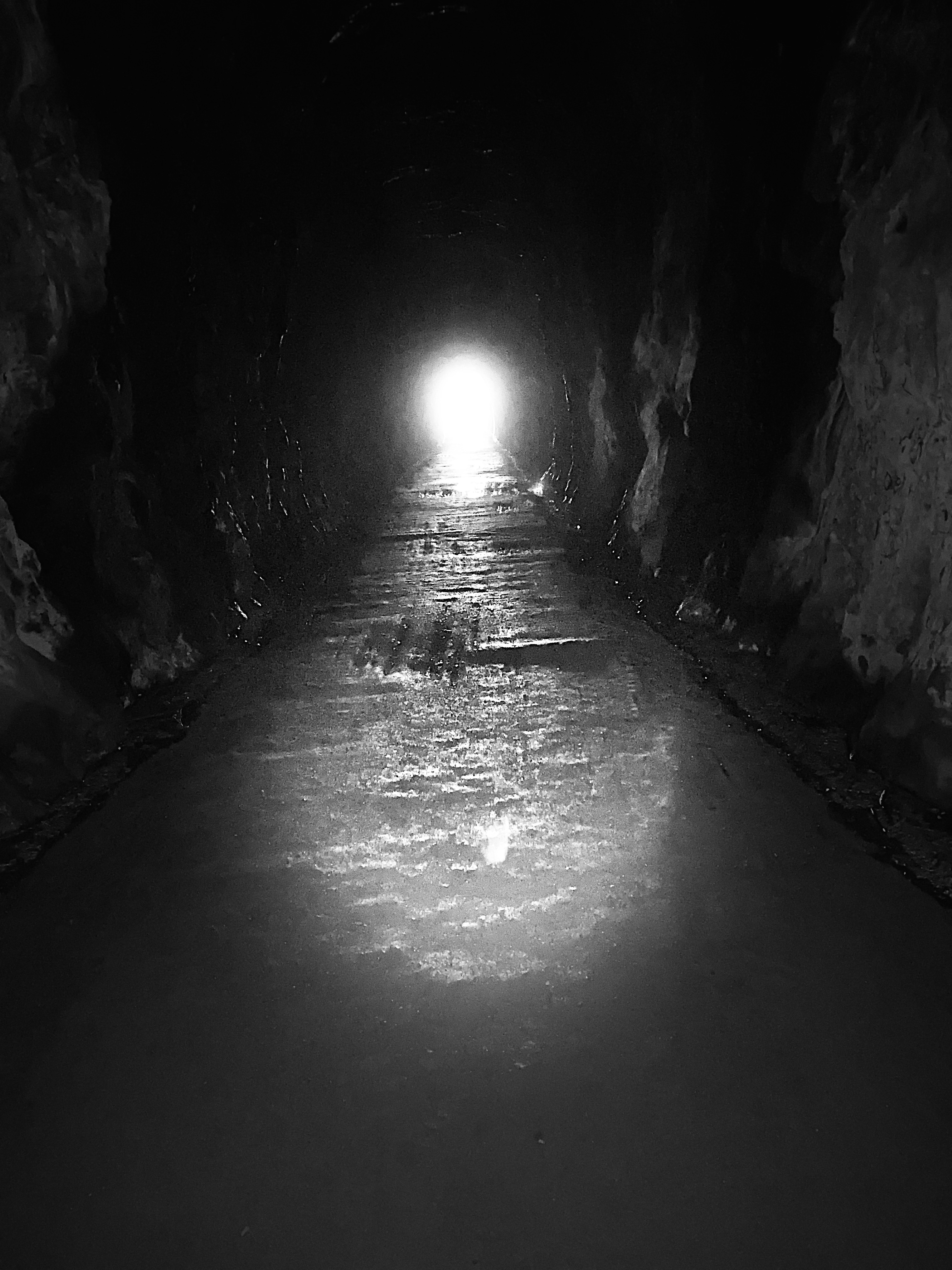
The West railhead on the Waynesboro side as mentioned can be steep at times, but also offers a wide, graveled path so you can easily walk abreast with companions. According to placards dotted along the entire trail, Census data shows that the Irish immigrants who created the tunnel resided mainly in Augusta County and many built shanties that dotted the landscape around Rockfish Gap.
Slave labor was also used during the construction phase. One can only imagine the backbreaking work and heartache it created among the laborers – who were paid 75 cents a day – with small increases over the years after several worker strikes. Deaths due to faulty detonations and falling rocks were a constant concern among the families who lived around the tunnel. A cholera outbreak roared through the shanties in 1854, leading to 33 deaths.
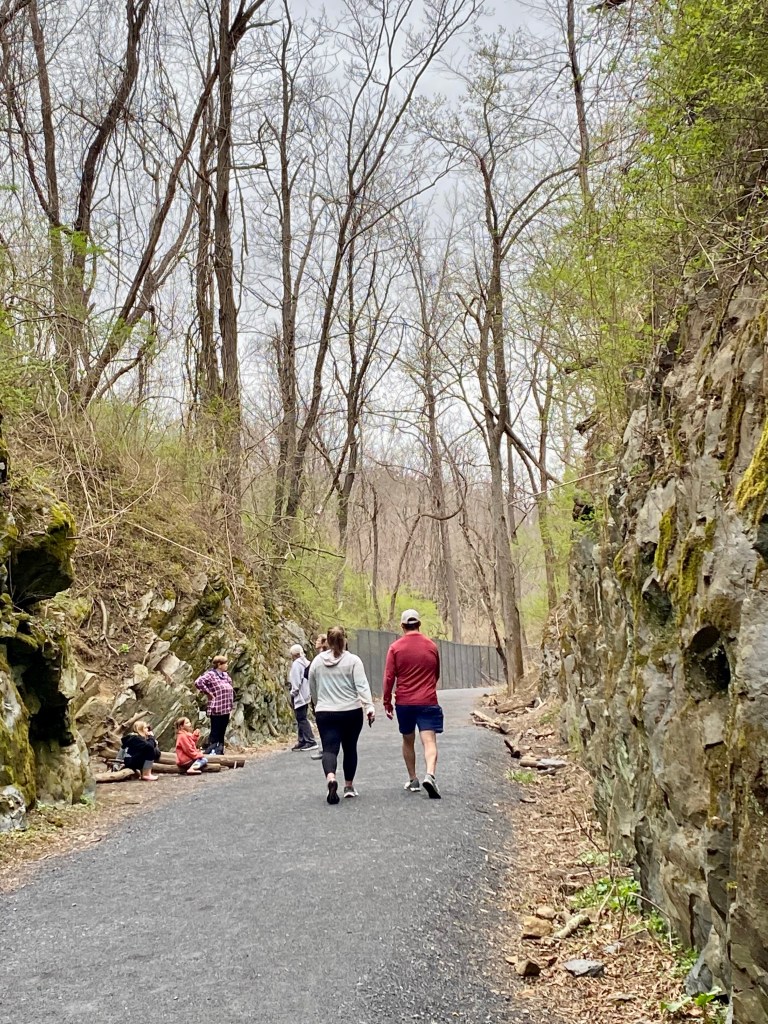
In the 1940’s the Chesapeake and Ohio Railway replaced it with an adjacent tunnel to accommodate larger trains. When you enter the tunnel, you do imagine a large locomotive may have made for a tight fit! Tunnel restoration to get it to its present glory began in Nelson County more than 20 years ago, finally opening to the public in 2020.
 Stanton with a "u"
That sounds amazing and eerie. Great post!
LikeLike